Temprals - Veil Walkers
In development. Not released yet. Public release probably 2027.
Temprals - Veil Walkers
A strategy game where time is your terrain.
Strategy without click-race, adventure in hero-local time. Move a hero, scout roads, collect relics, build towns, and fight when it matters. If no rival can contest your path, you keep playing.
When two possible futures reach the same road, relic, town, hero, or site, the game opens a local claim. Challenge it, ignore it as an observer, start the fight if a bridge opens, or take another legal map action while the claim releases or expires by rule.
Why it exists
The game starts from a refusal.
We did not want a strategy game where the fastest fingers win. We also did not want multiplayer Heroes-style turns where one player explores, recruits, builds, and everyone else waits.
Temprals - Veil Walkers starts from a different question: if you and I cannot possibly collide for several in-game days, both timelines can keep moving.
The multiverse awaits
Classic adventure strategy, fractured by time.
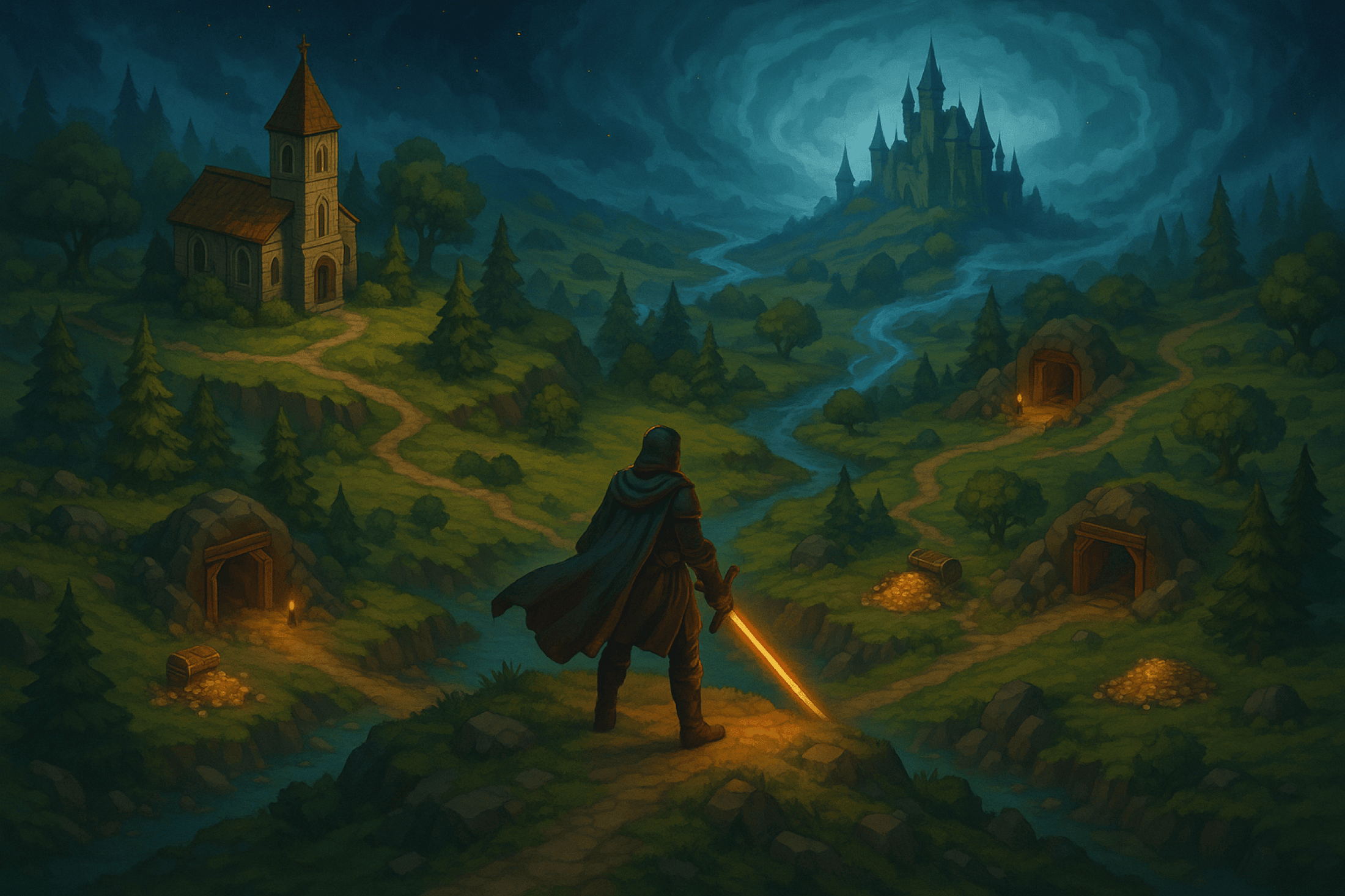
Inspired by the feel of classic Heroes-style exploration: a hero on the map, a town to grow, relics to claim, guarded roads to break, and a decisive encounter waiting somewhere beyond the Veil.
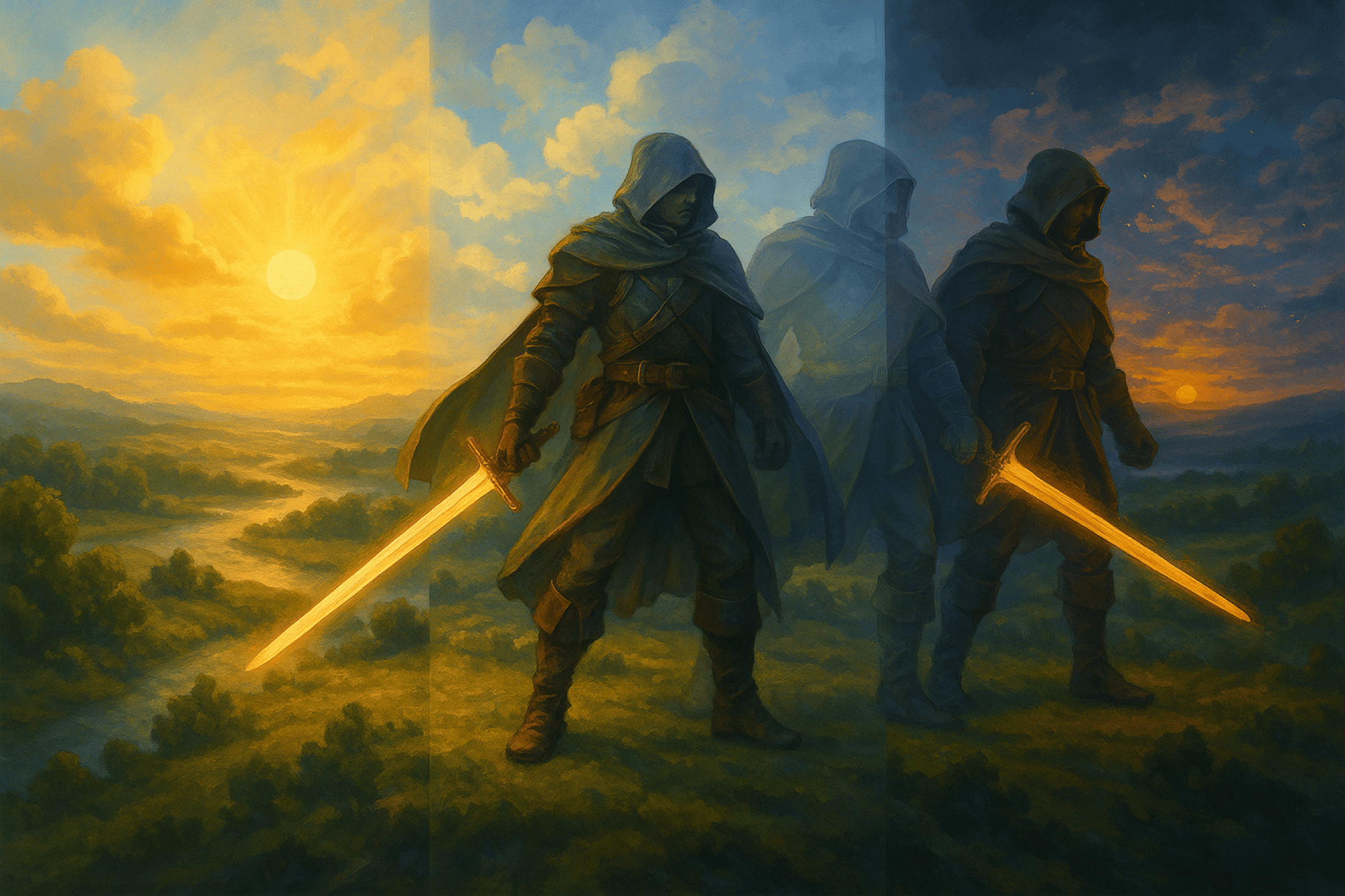
The twist is simple: each hero advances on a local line inside one shared history. What you have not seen is not automatically yours or theirs; the map checks who can honestly reach, contest, or protect it. If nobody can contest your path, you keep going. If two futures touch the same value, the map opens a local claim instead of pausing the whole match.
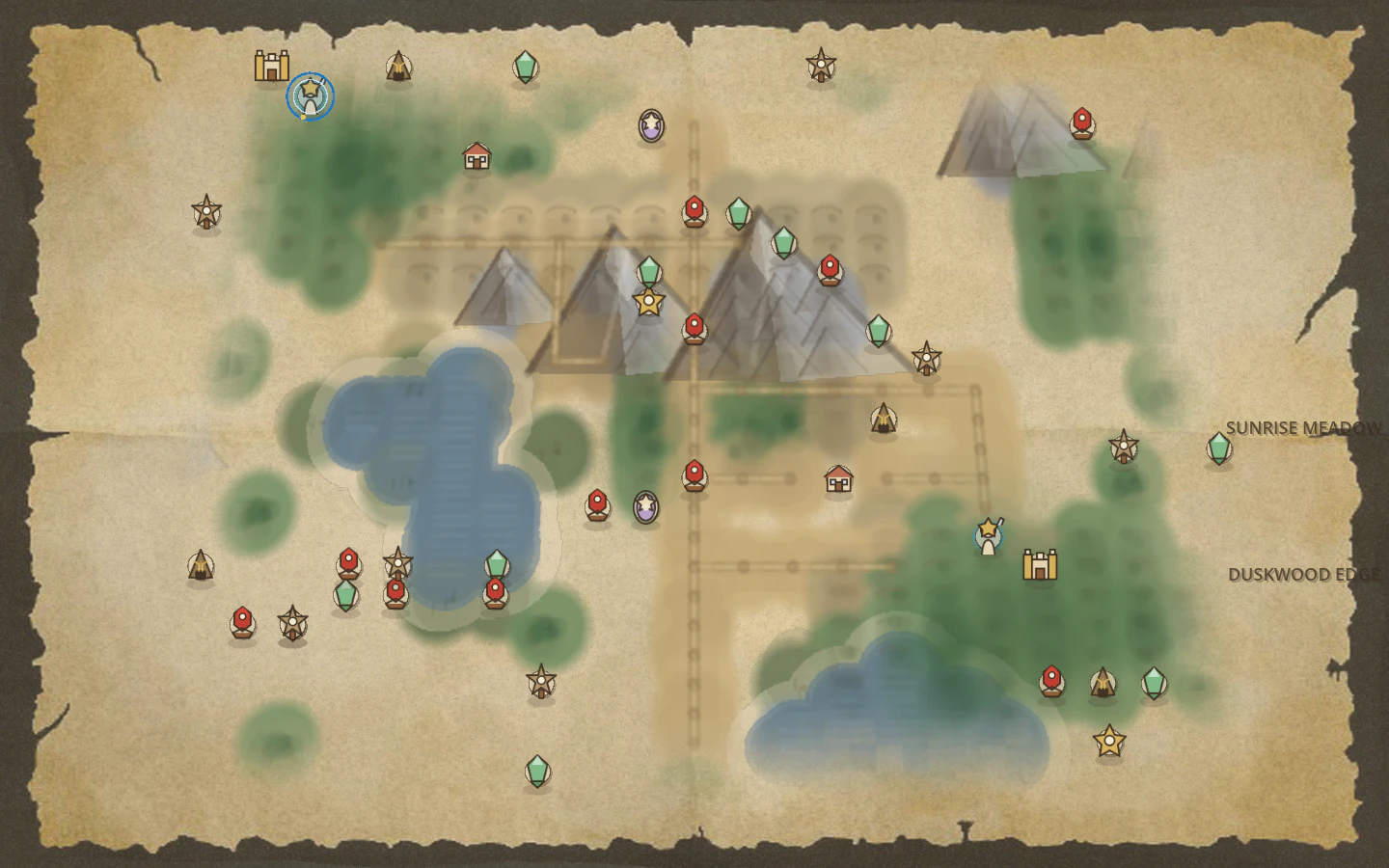
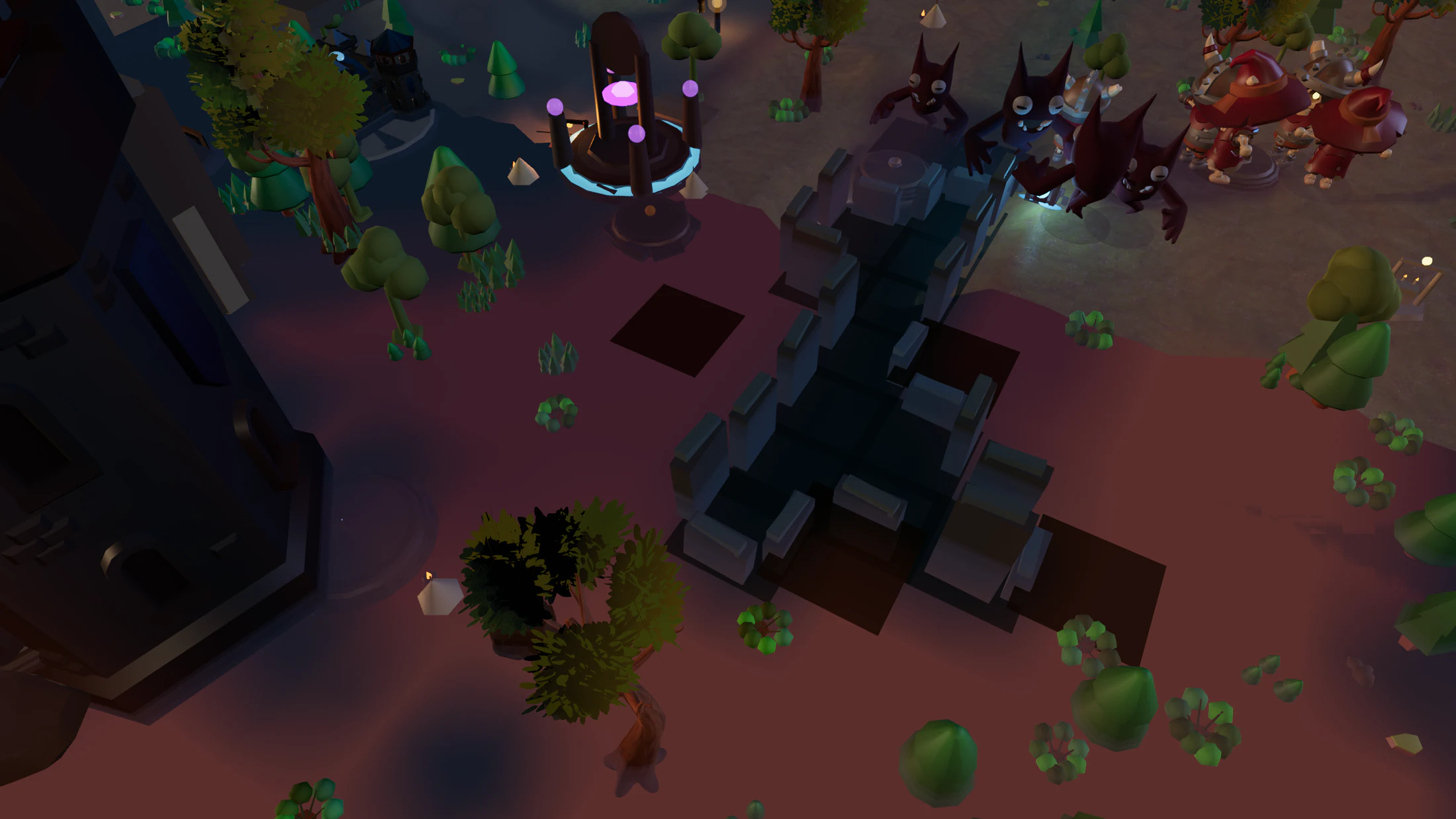
Already in the build
Heroes, castles, towns, and encounters are already in game.
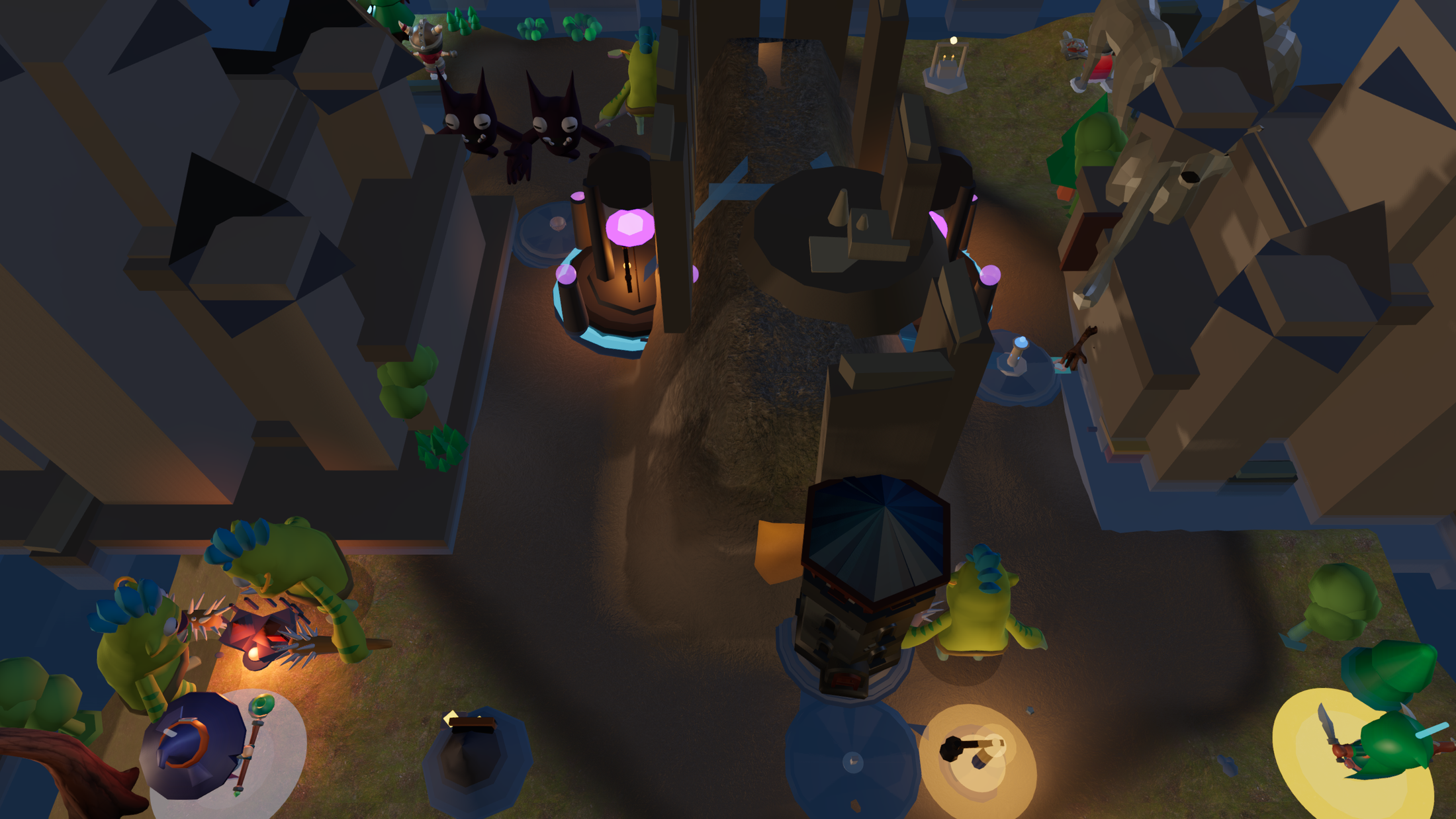
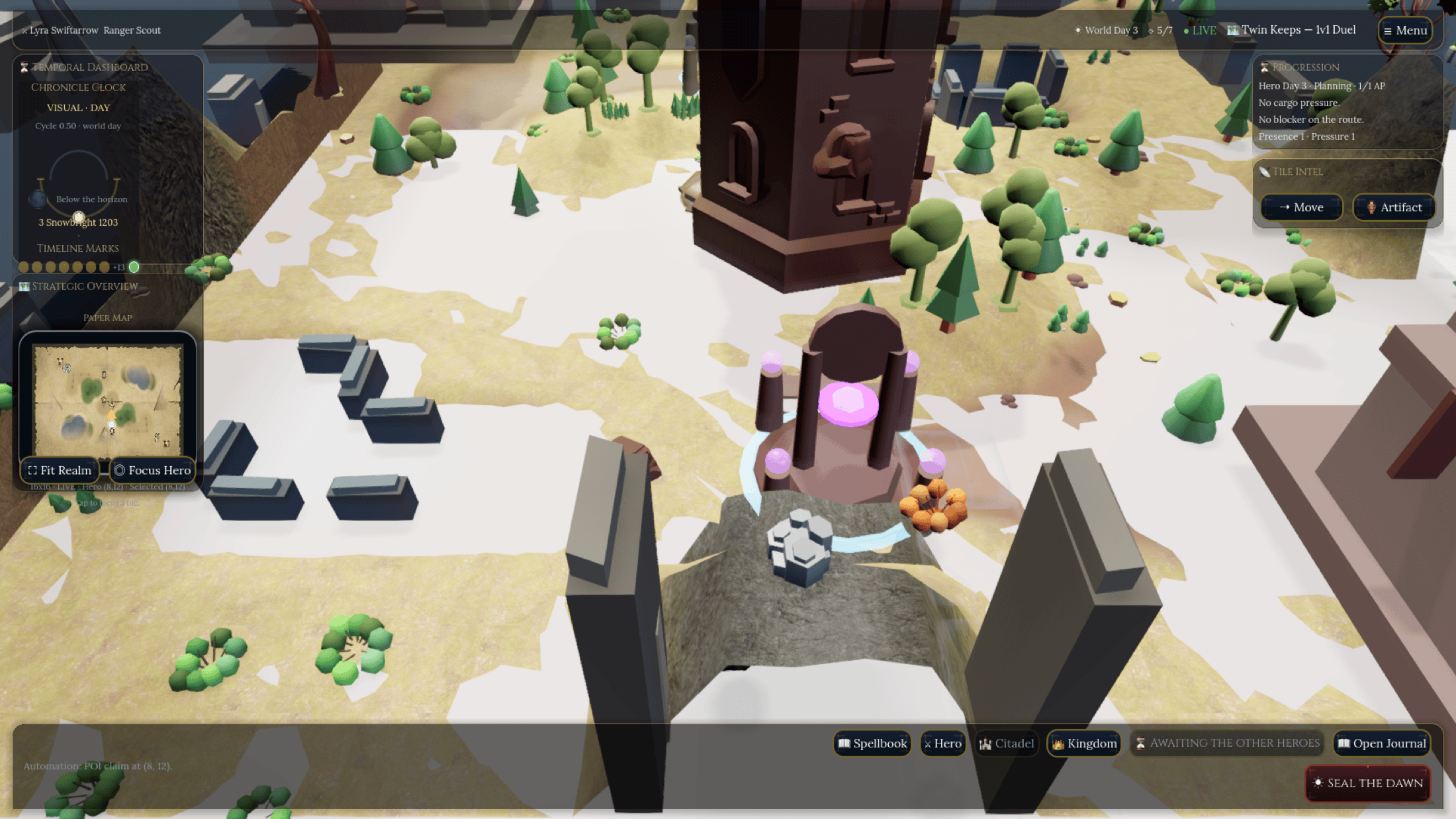
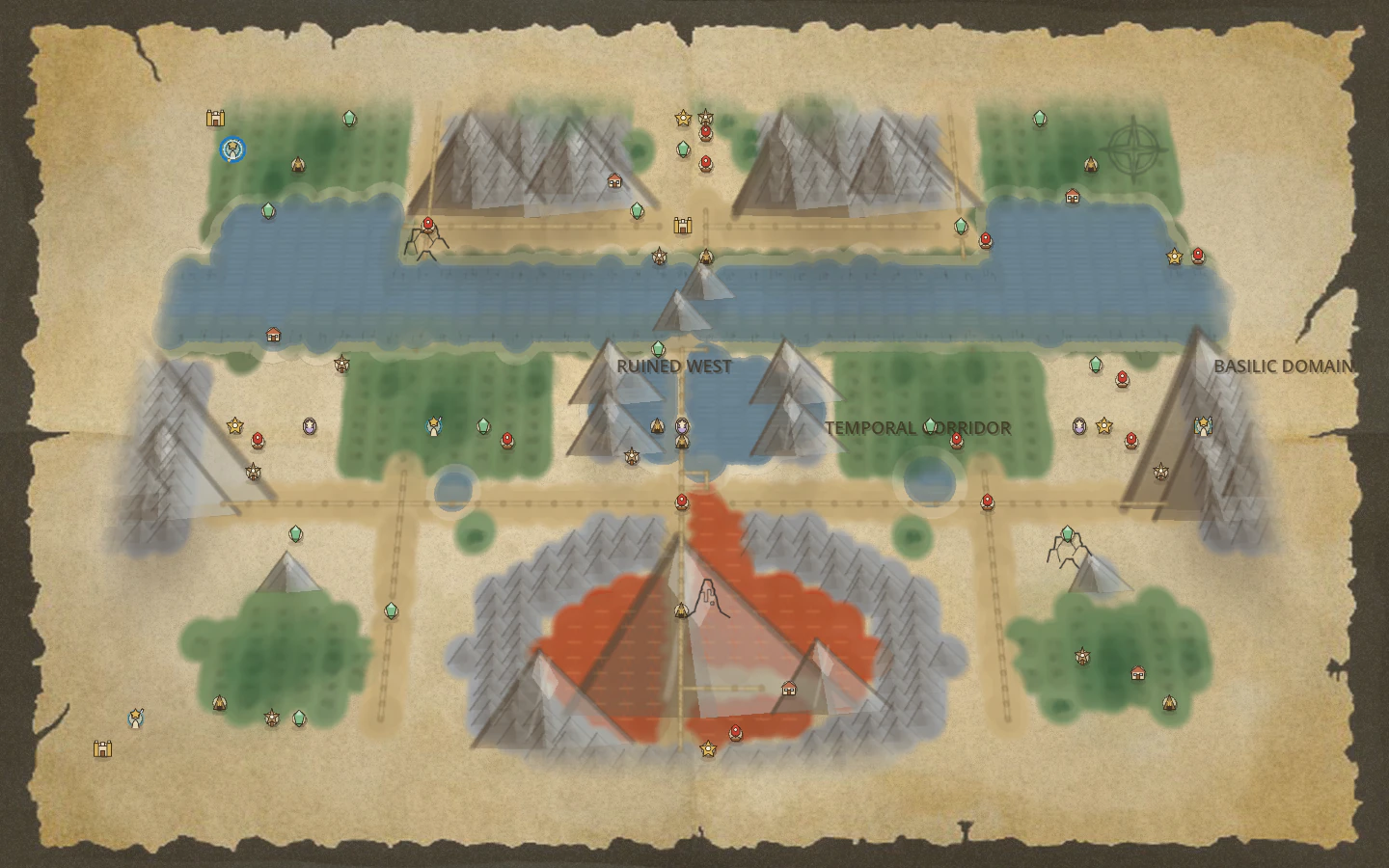
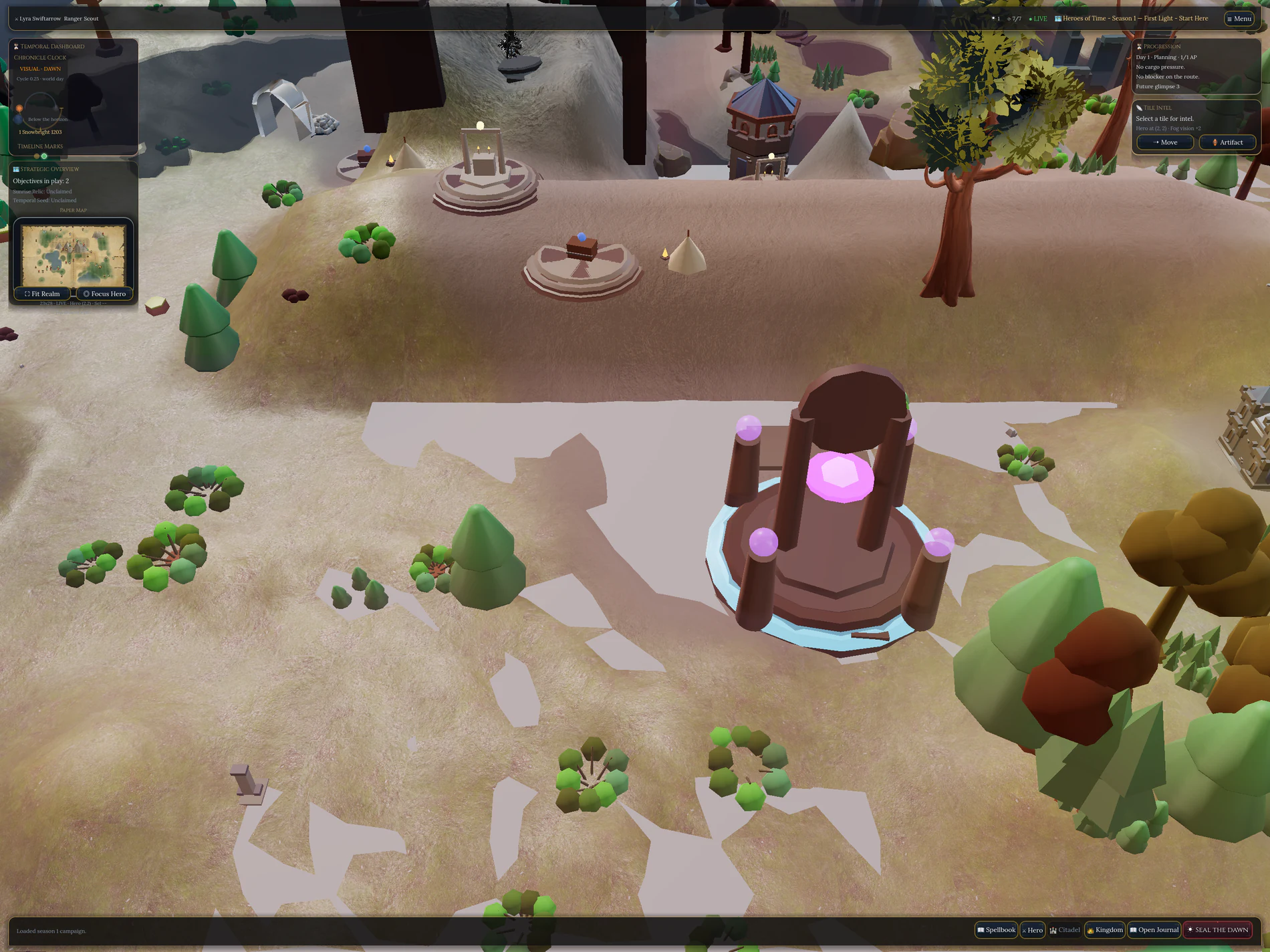
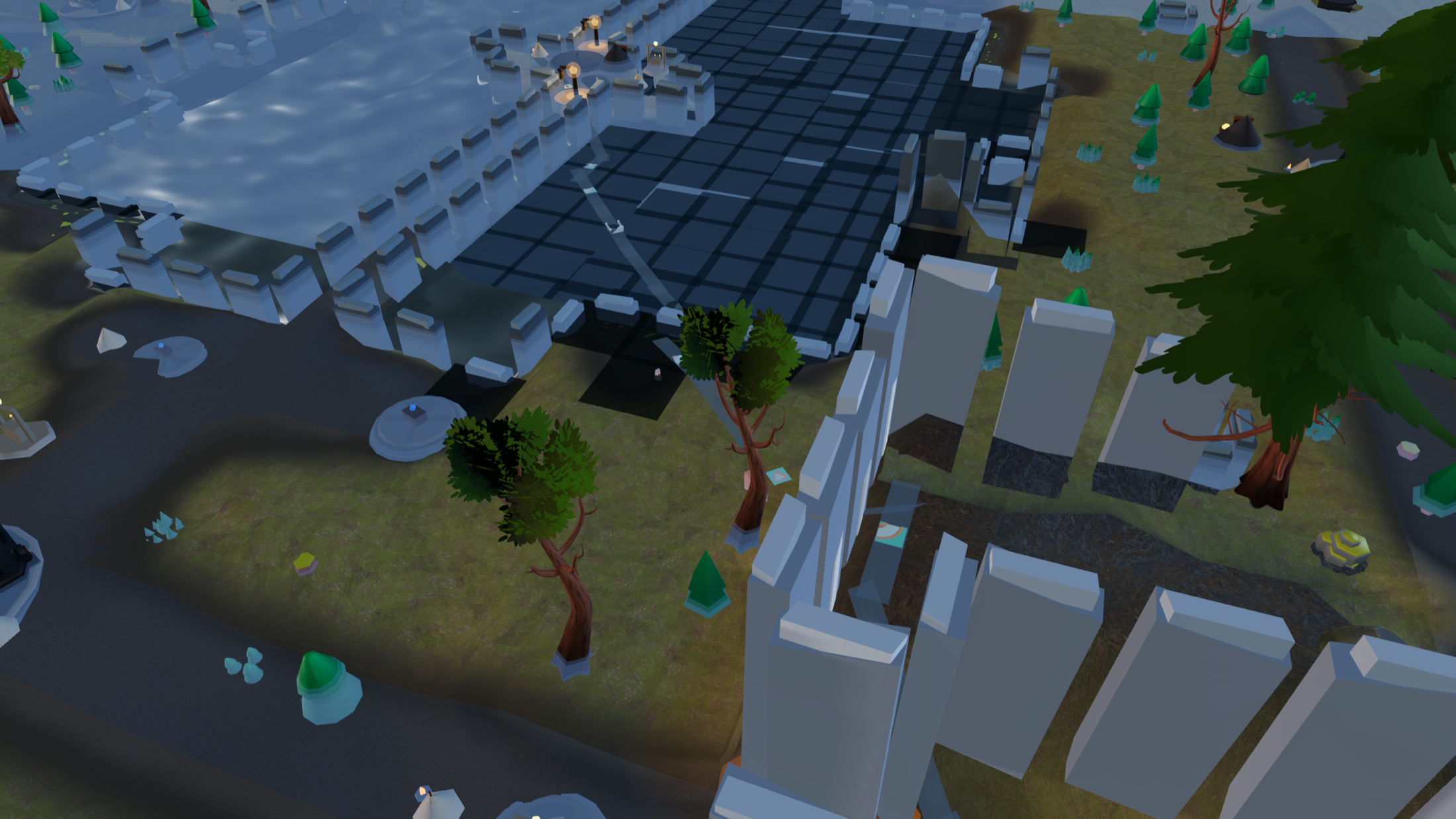
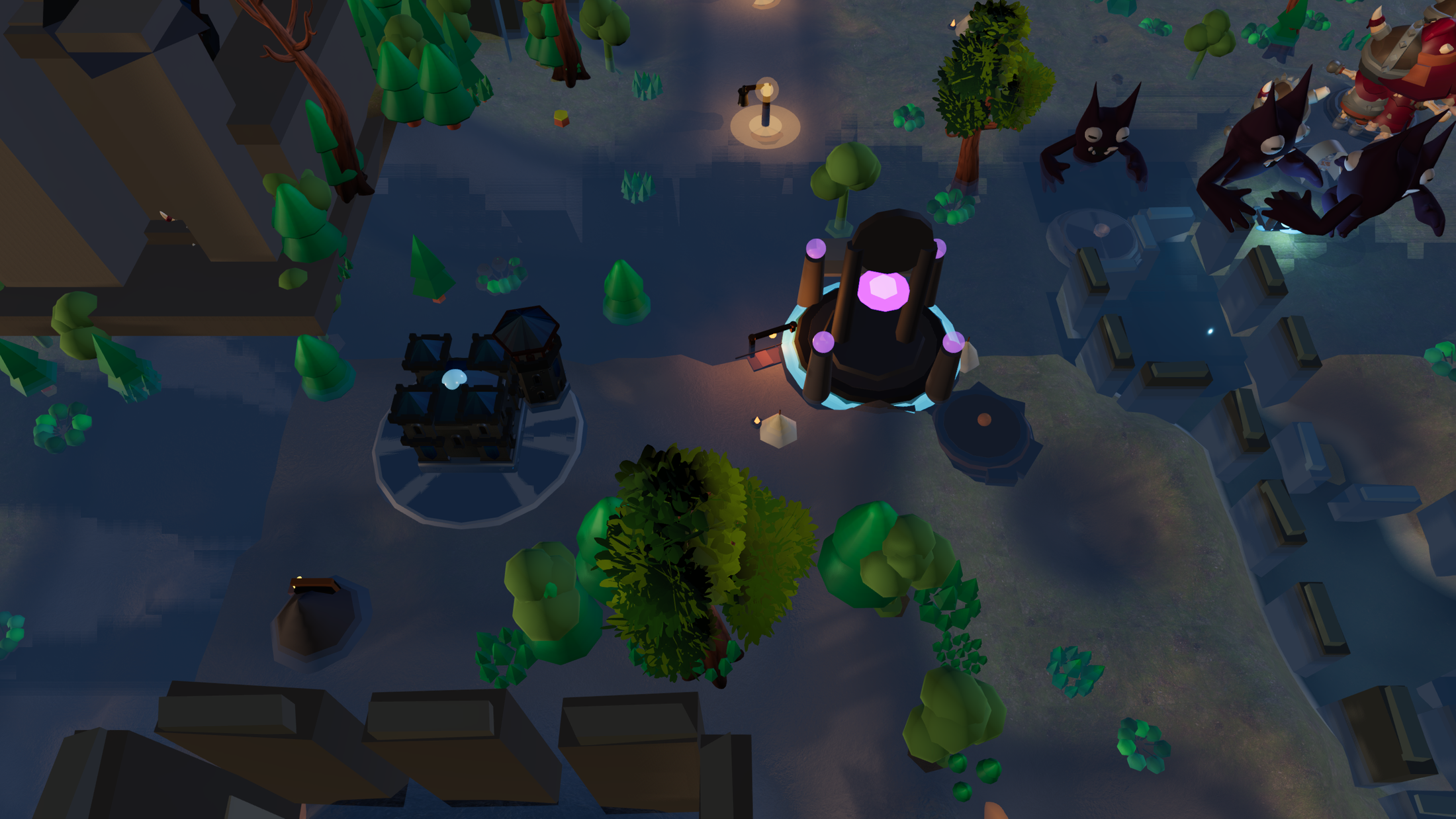
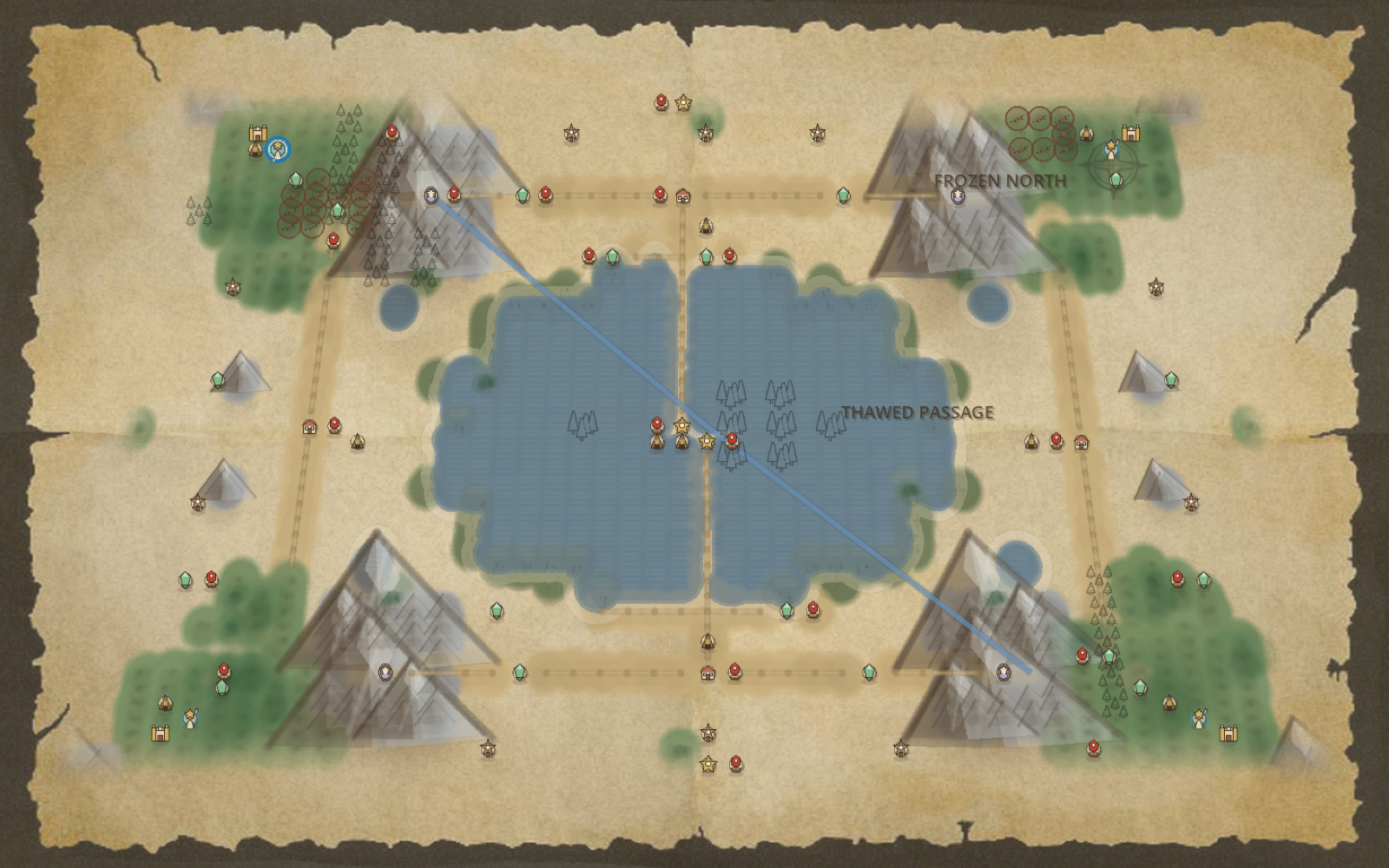
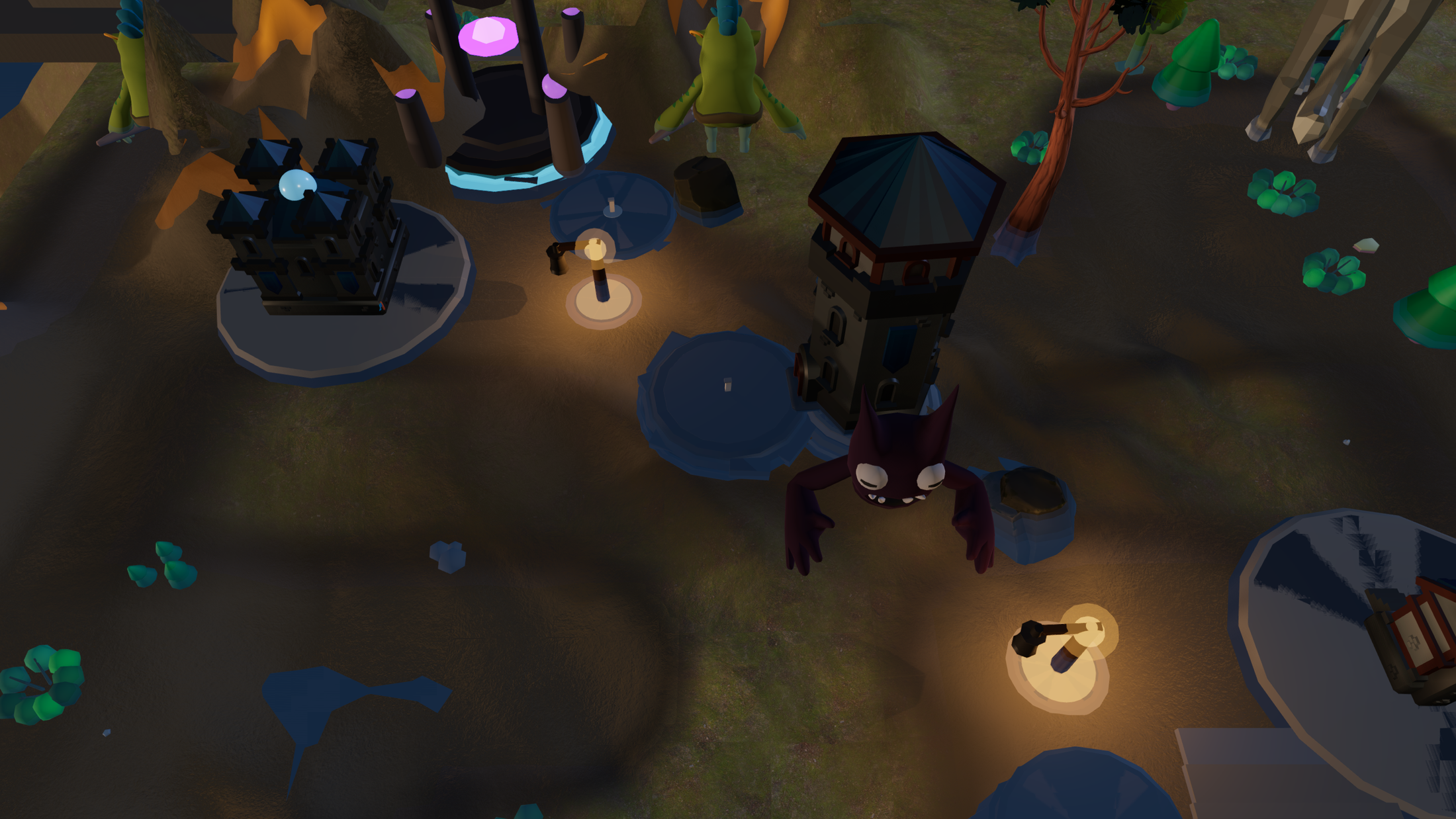
The current build already shows the pieces players will actually touch: map previews, citadels, towns, and routes that make pressure readable, faction homes as world anchors, and encounter bridges when a claim becomes a fight.
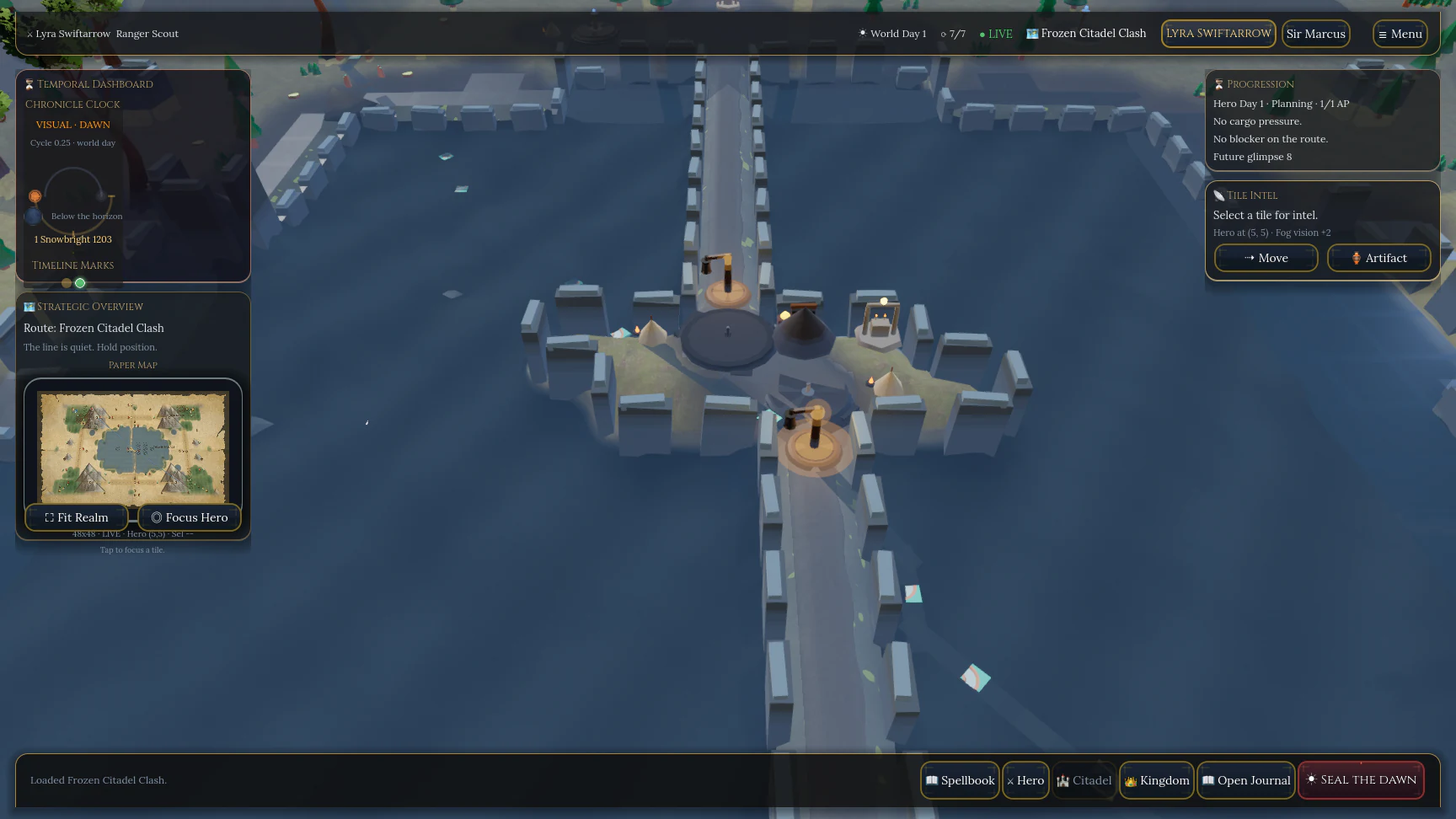
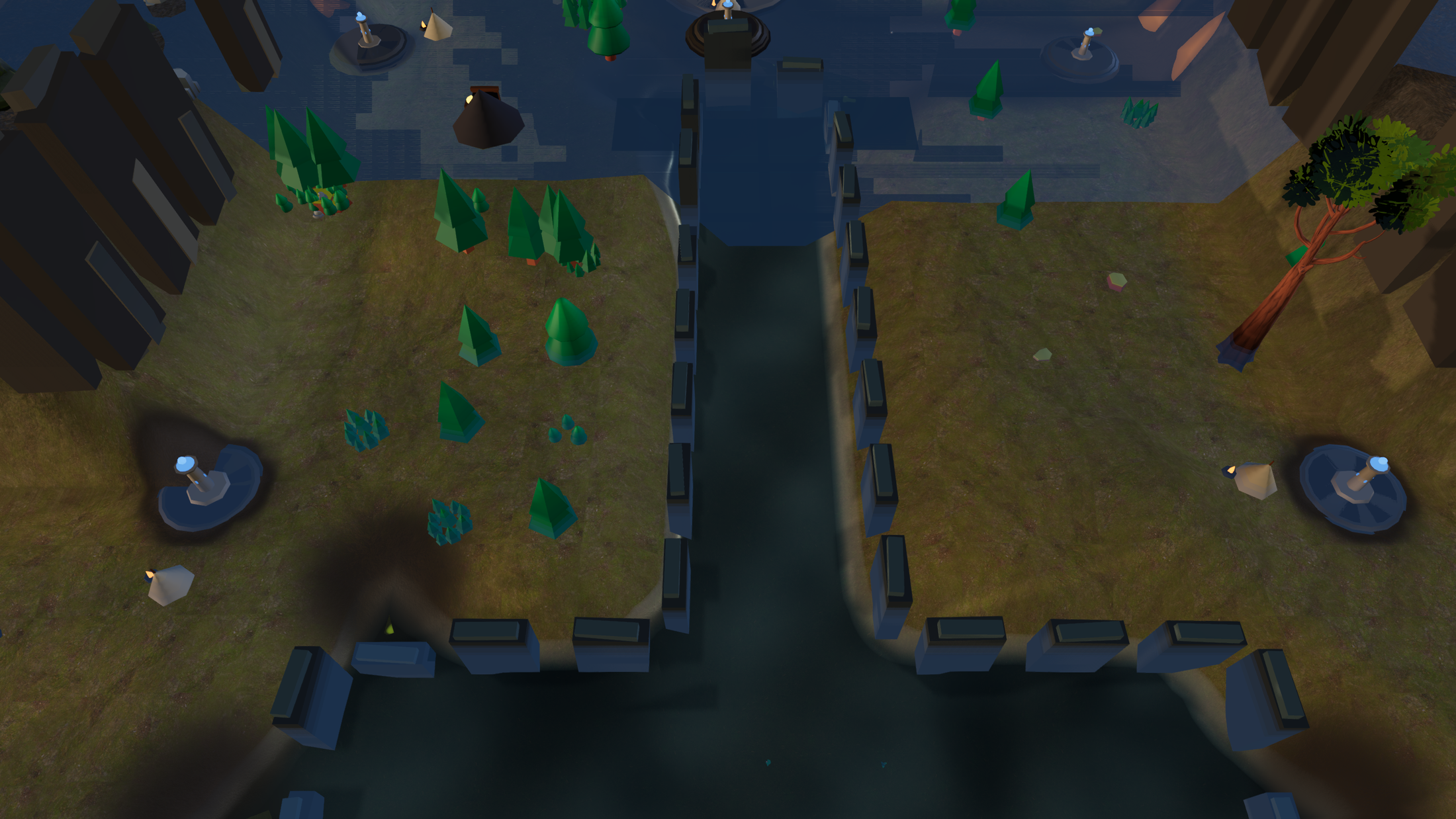
Camera modes
One map, several readable distances.
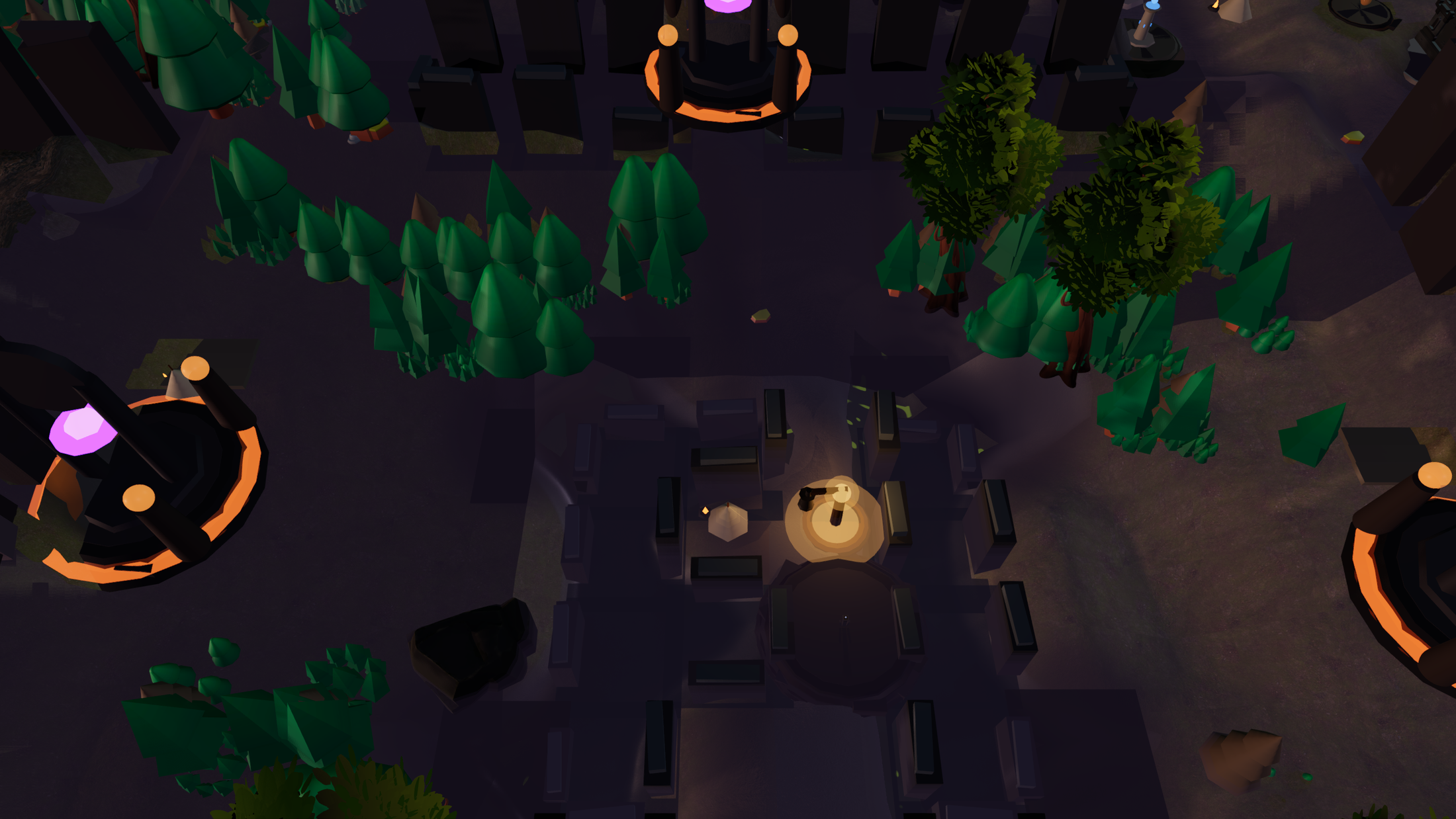
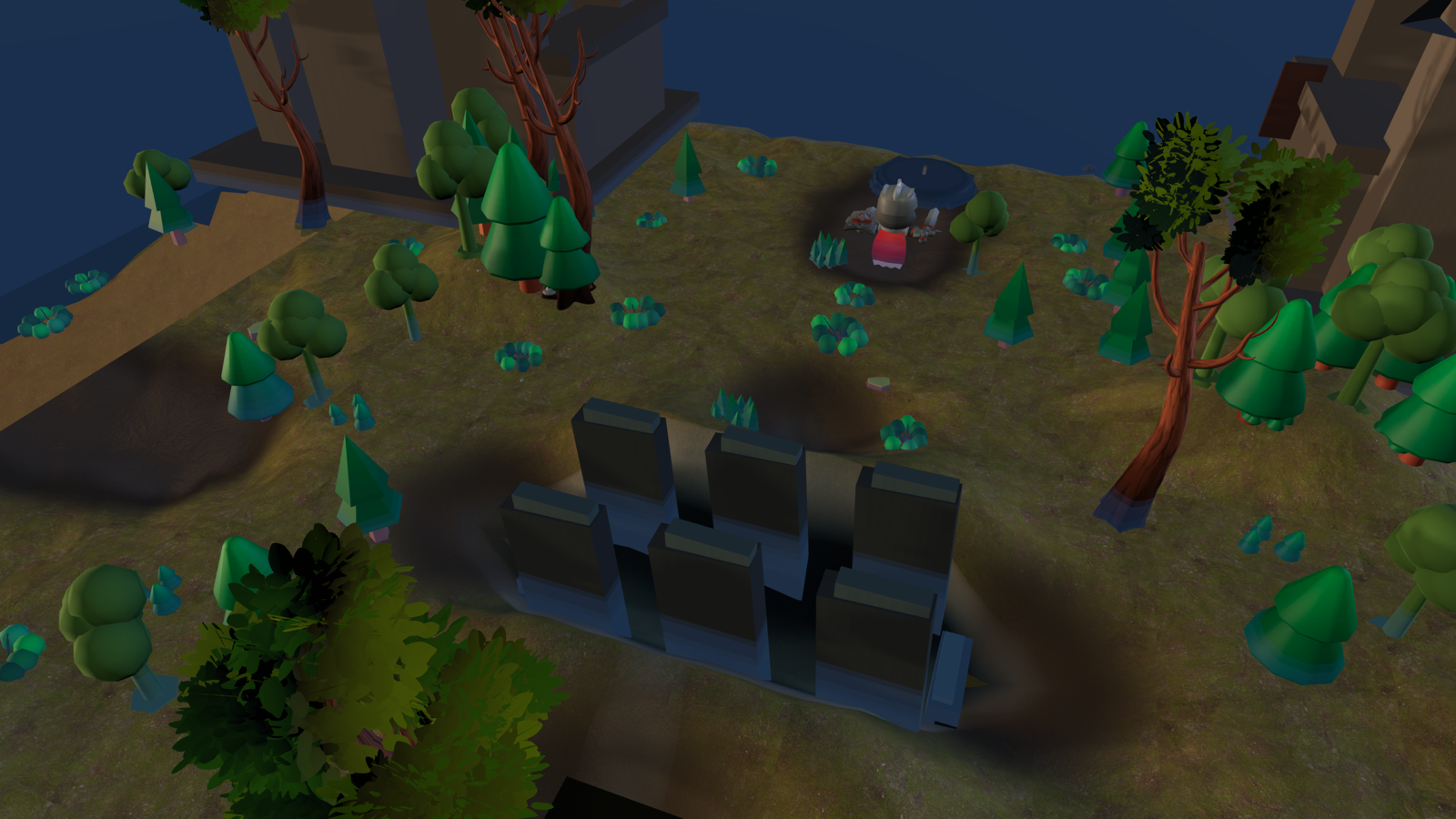
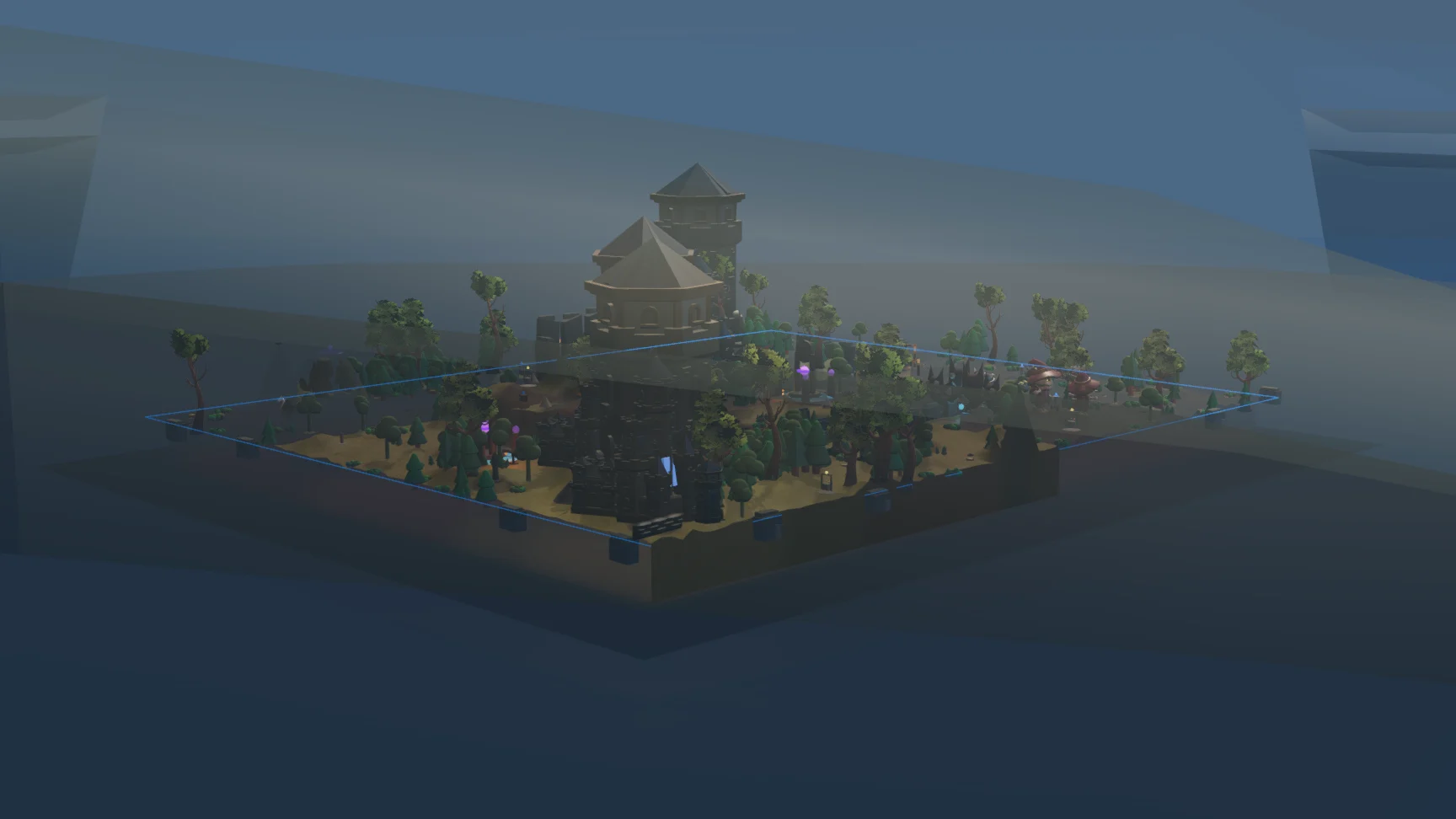
The build supports several camera moods, from close postcard framing to small-island strategy views that show the whole theatre at once.
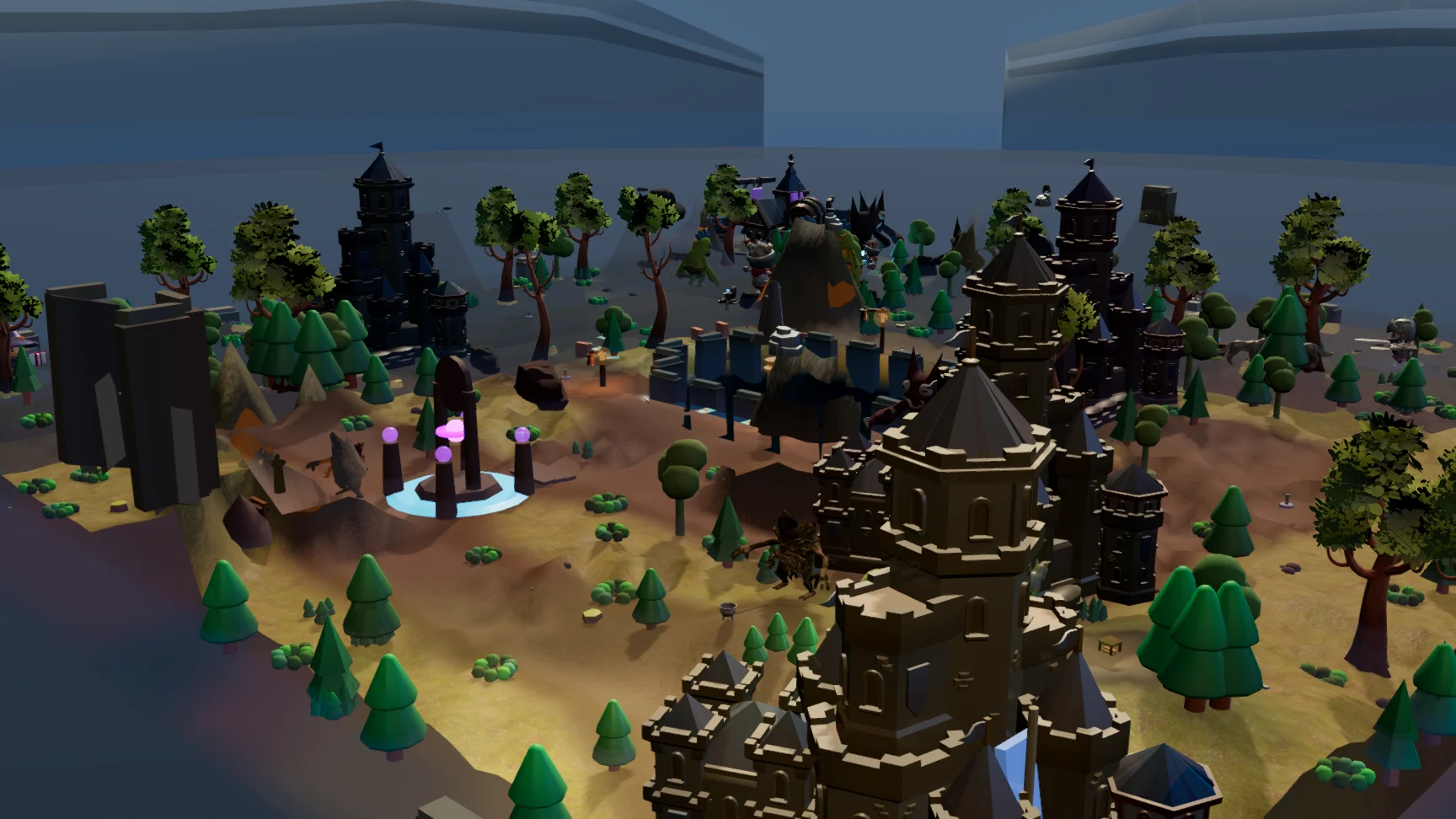
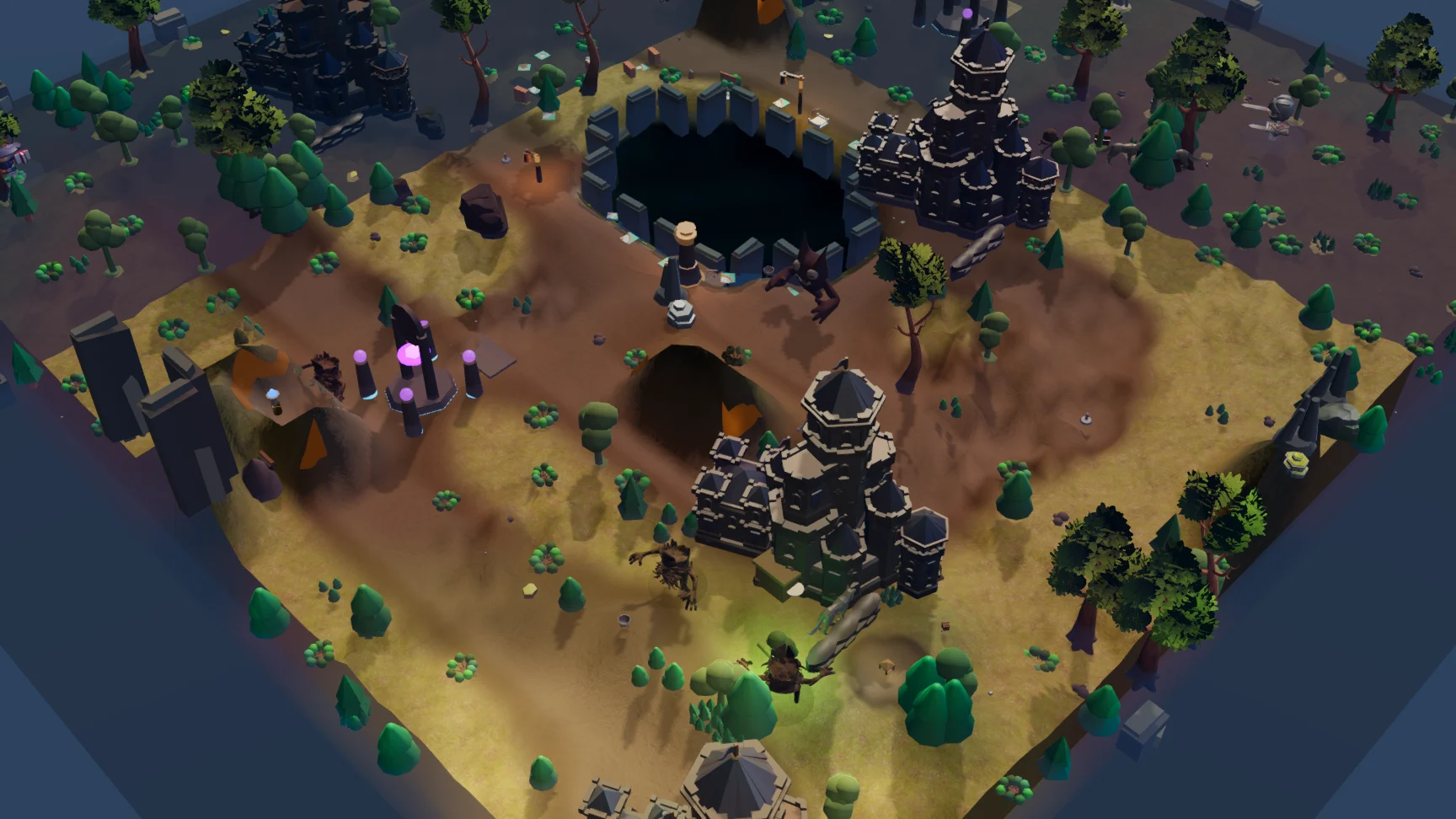
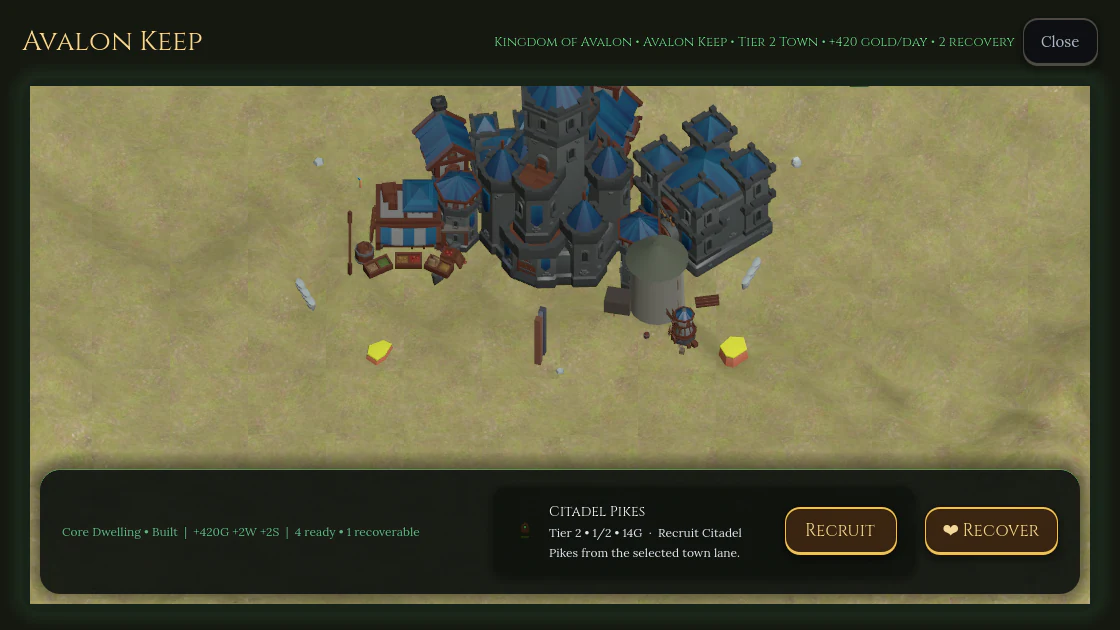
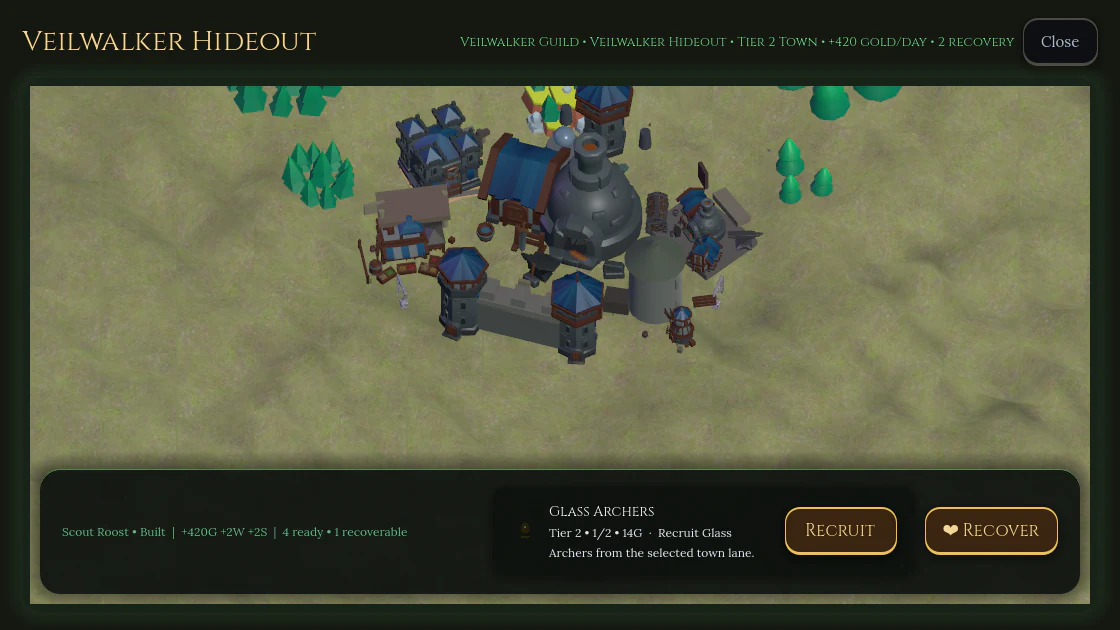
Faction homes with their own silhouette.
Towns are not detached menus. They are faction homes with terrain, buildings, recruits, recovery, and a clear place in the world.
 Pressure
Threat made visible before it becomes a blocker.
Pressure
Threat made visible before it becomes a blocker.
 Reveal Ghosts
Hints, traces, and rival possibilities without omniscience.
Reveal Ghosts
Hints, traces, and rival possibilities without omniscience.
 Temporal Rift
Mobility that changes who can still reach a future.
Temporal Rift
Mobility that changes who can still reach a future.
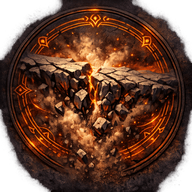 Erosion
Topology as strategy: terrain can open, close, or bend a route.
Erosion
Topology as strategy: terrain can open, close, or bend a route.
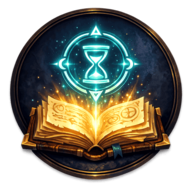 Grimoire
The interface names what the world already knows.
Grimoire
The interface names what the world already knows.
First three minutes
Pick a hero, touch the map, read the consequence.
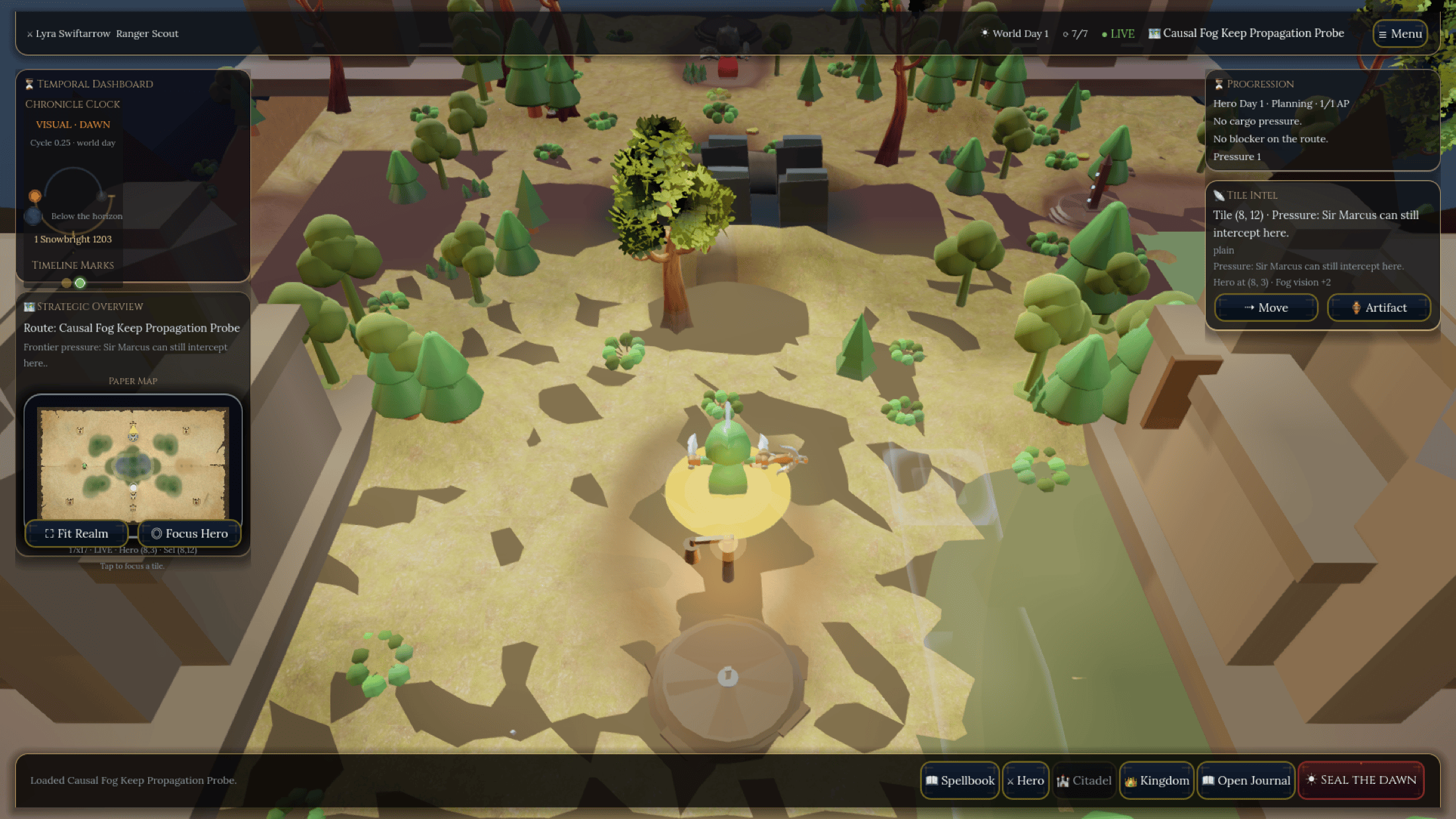
The first loop is deliberately readable. You choose a hero, scout a route, take value if the road is clean, then let the world explain whether the next step is safe, pressured, or contested.
- 01 Choose a hero Start from a party, a town, and a route worth exploring.
- 02 Scout Reveal roads, treasure, guarded value, and the first possible contact points.
- 03 Move Spend movement AP on a destination while the HUD shows route cost and risk.
- 04 Take value Collect an artifact, clear a guard, claim an anchor, or prepare a fight.
- 05 End the day Commit your position and let unresolved futures keep their honest shape.
- 06 Resolve a claim If another future reaches the same value, the game opens a clear contest.
The signature idea
The Veil is possibility, not just vision.
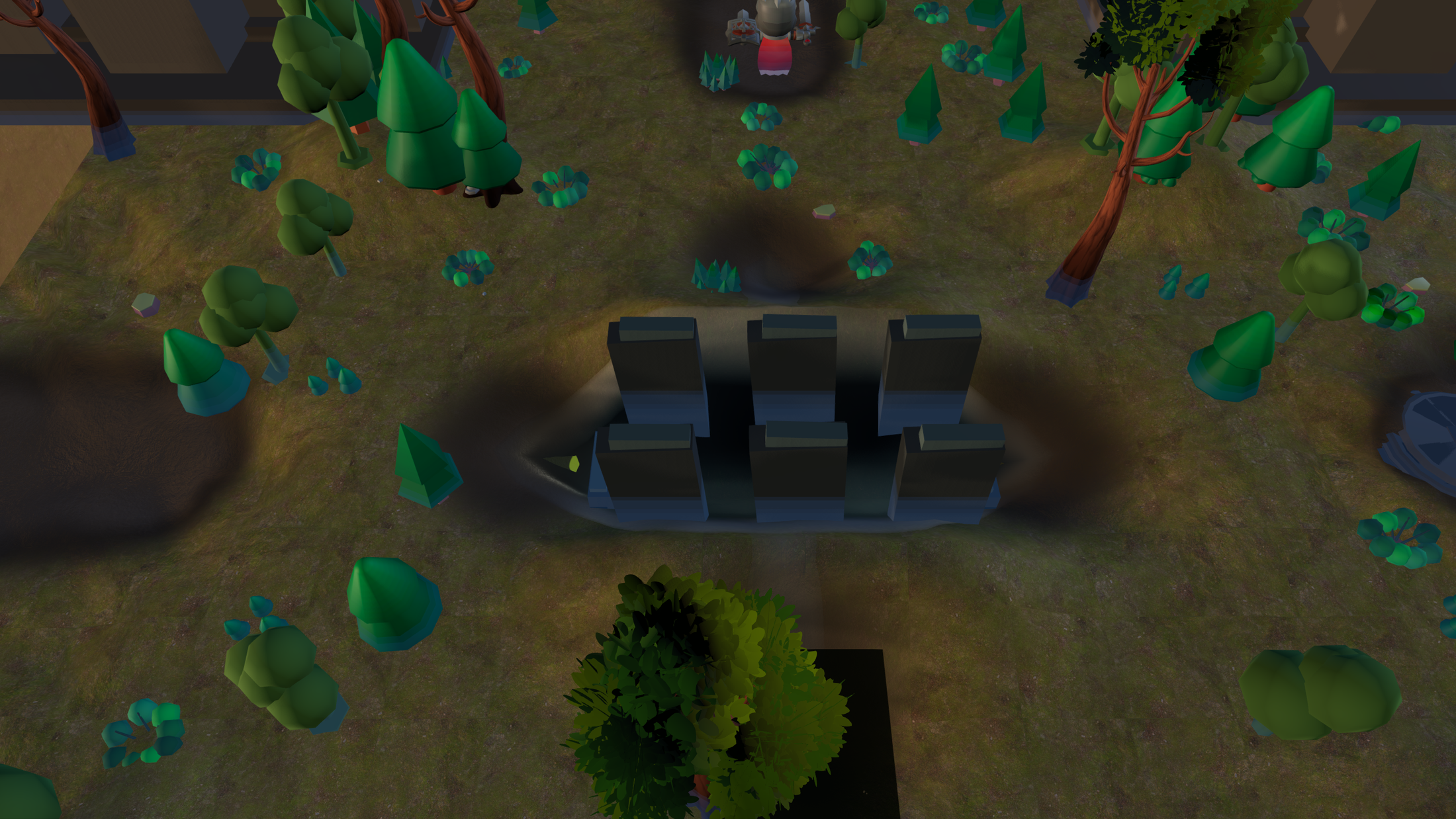
Classic fog asks what you can see. The Veil also asks what futures are still honest: what your hero knows, where your hero could still matter, and where rivals can still contest a route, relic, town, hero, or site.
If you play more slowly one evening, your unresolved future does not vanish; neither does a slower rival's. The map protects those possible futures as shadow, frontier, pressure, and claims instead of letting clicks silently erase them.
When shadows do not touch, everyone keeps playing. When they overlap on a route, artifact, town, hero, or site, the game opens a local question: challenge, ignore as an observer, start the fight if a bridge opens, or take another legal plan while release and expiry remain rule-driven outcomes.
Readable causality
One Veil, several truths kept separate.
The map separates what you know, where you could still be, who can catch you soon, what may become contested later, and what is already a formal claim.
Player veil
What you honestly know: visible ground, memory, traces, delayed intel, and hidden space.
Causal shadow
Where your hero could still arrive or matter. This is potentiality, not omniscience.
Pressure and frontier
Immediate interception risk plus future contest windows. Warning first, blocker later.
Claim and combat
An explicit contest opens, blocks locally, then releases, expires, or bridges into battle.
Mini glossary
The warning words are practical.
The time system is meant to help players decide. It names risks before they become blockers, and blockers before they become fights.
What you do
A Heroes-like adventure map with an honest timeline.
The fantasy stays grounded: build a stronger hero, collect artifacts, claim value, clear guarded routes, take anchors, grow your town, and force a decisive encounter.
- Scout Reveal routes, towns, artifacts, threats, and possible future contact.
- Commit Move with AP, then spend the right local resource for the action you choose.
- Read Watch pressure and frontier before ending the day or touching contested value.
- Resolve If futures collide, the game opens a local claim and the world explains why.
Collision, not waiting
Time lets you act, but it does not forget.
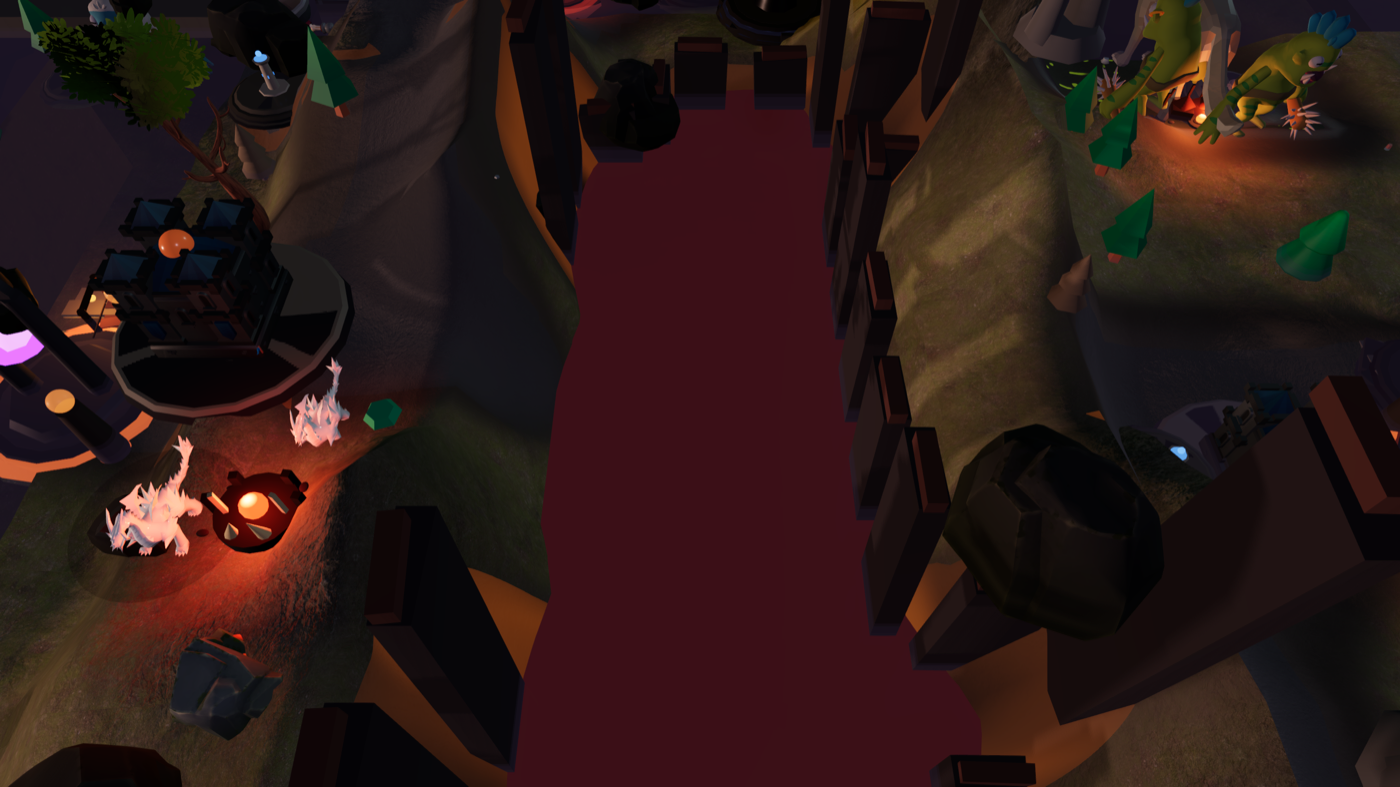
Combat is not a surprise popup. A world interaction becomes contested, a rival chooses to challenge, and the game opens a tactical encounter. The winner writes consequence back to the map.
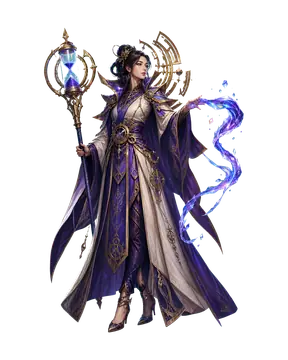
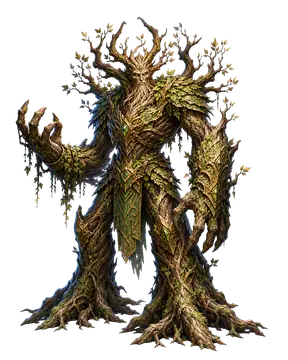
Warband cards
Recruit a warband, then bring those cards into encounters.
The public manual shows the current unit roster with faction, tier, role, stats, and battle style. Start with the cards themselves.
Open Warband Units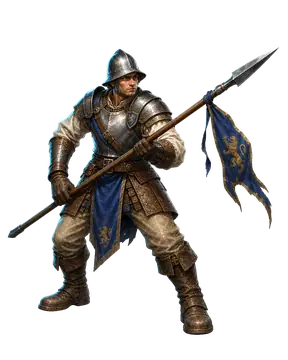
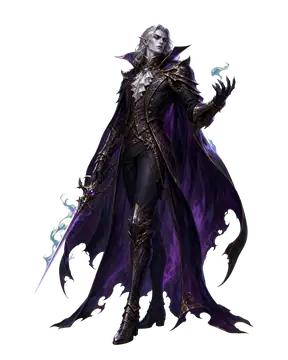
In game
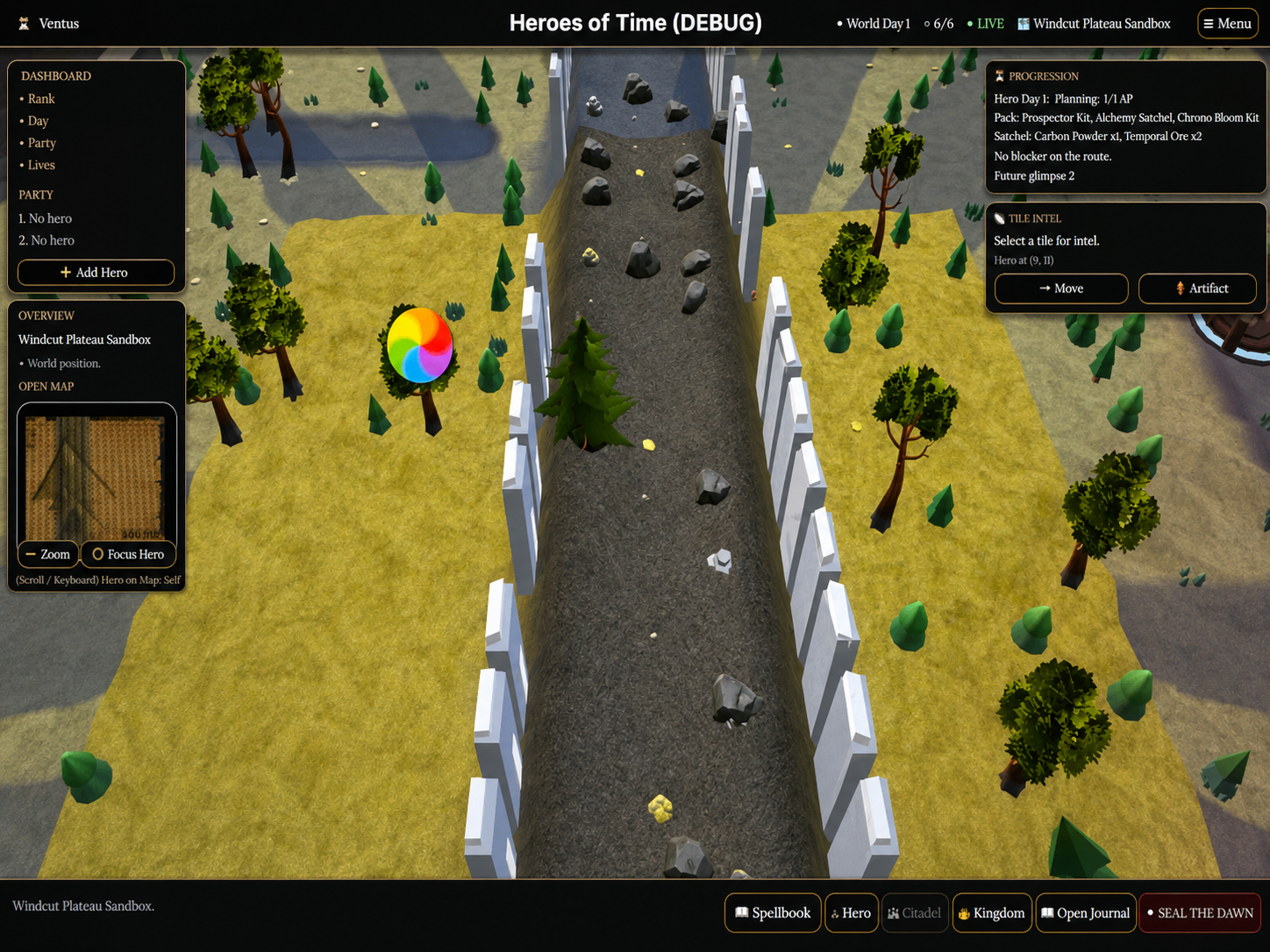
A real adventure map underneath the time magic.
Temprals - Veil Walkers is still about heroes on a map: scouting, planning, gathering, fighting, and reading the next dangerous frontier before it becomes a claim.